
Introduction
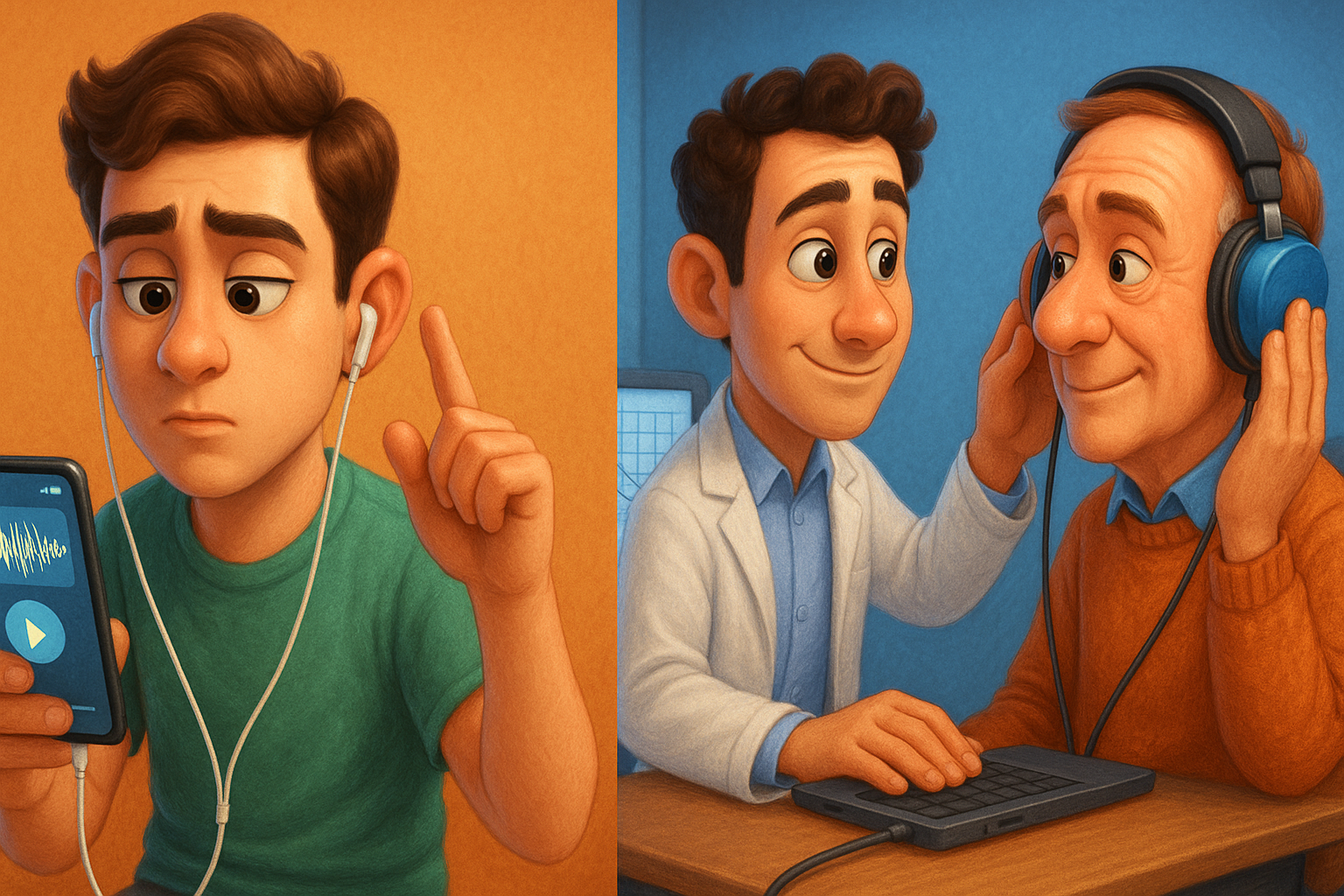
When it comes to hearing health, not all tests are created equal. As an audiologist and a teacher, I’ve seen many patients or students confused about the difference between a simple hearing screening and a comprehensive diagnostic evaluation. This distinction is crucial for understanding your hearing health journey and making informed decisions about your care.
Whether you’ve recently failed a hearing screening or are simply curious about the various tests used to assess hearing capabilities, let us go through everything you need to know about screening versus diagnostic audiological tests.
What is a Hearing Screening?
A hearing screening is essentially a quick “pass” or “fail” assessment designed to identify individuals who may have hearing loss and require further evaluation. I have discussed screening outcomes in details in the last post
Key Characteristics of Hearing Screenings:
- Purpose: To quickly identify potential hearing issues
- Duration: Usually takes less than 10 minutes
- Process: Typically involves a single sort test
- Results: Simple “pass” or “refer” outcome
- Setting: Often conducted in non-clinical environments like schools, workplaces, or community health fairs
- Value: No diagnostic value on its own
What is a Diagnostic Audiological Evaluation?
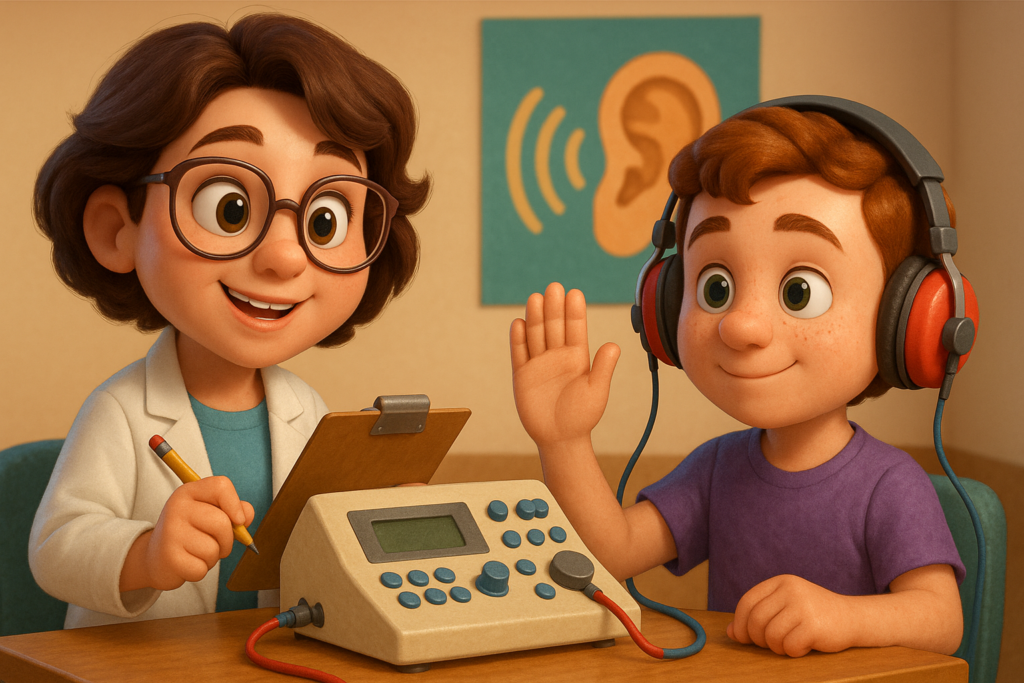
A diagnostic hearing evaluation is a comprehensive assessment performed by a licensed audiologist or hearing healthcare professional. This thorough examination evaluates your entire hearing system and provides detailed information about the type, degree, and configuration of any hearing loss.
Key Characteristics of Diagnostic Evaluations:
- Purpose: To determine specific type, degree, and configuration of hearing loss or reaching a definitive diagnosis about a hearing related problem
- Duration: Typically takes 1-2 hours to complete (complete test battery)
- Process: Includes multiple tests evaluating different aspects of hearing
- Results: Detailed report with specific measurements and recommendations
- Setting: Conducted in a professional setting, often in a soundproof booth
- Value: Provides comprehensive diagnostic information for treatment planning
The Major Differences
1. Level of Detail
Screening: Offers minimal information – simply whether hearing appears normal or if further testing is needed.
Diagnostic: Provides comprehensive information about hearing sensitivity across frequencies, speech understanding ability, middle ear function, and more.
2. Testing Components
Screening typically includes:
- Brief case history
- Basic otoscopy (visual examination of the ear canal)
- Simple test
Diagnostic evaluation includes:
- Complete medical and case history
- Comprehensive otoscopy
- Middle ear testing (tympanometry)
- Inner ear cell testing
- Pure-tone audiometry (air and bone conduction)
- Speech reception and recognition testing
- Word recognition in noise testing
- Additional specialized tests as needed
3. Time Investment
Screening: Usually completed in minutes Diagnostic: Takes 1-2 hours for a comprehensive assessment
4. Professional Involvement
Screening: May be administered by various healthcare professionals, educators, or even through self-administered online tests.
Diagnostic: Always performed by licensed audiologists or hearing healthcare professionals
5. Results and Outcomes
Screening: Results typically presented as “pass” or “fail”/”refer” Diagnostic: Results include detailed audiograms showing hearing thresholds across frequencies, speech understanding percentages, tympanograms, and other measurements that guide treatment planning
When Do You Need Each Test?
Hearing Screenings are appropriate for:
- Routine health checkups
- School-based assessments
- Workplace hearing conservation programs
- Initial identification of potential hearing issues
- Health fairs and community events
Diagnostic evaluations are necessary when:
- A hearing screening indicates possible hearing loss
- You experience symptoms of hearing difficulties
- You have a history of noise exposure
- You have balance issues or tinnitus (ringing in the ears)
- You’re considering hearing aids or other hearing devices
- You have a family history of hearing loss
- You’re experiencing changes in your hearing ability
The Patient Experience: What to Expect
During a Hearing Screening:
- Brief discussion about your hearing concerns (if any)
- Visual inspection of your outer ear
- Going through a simple mostly under 10 minute test
- Receiving a “pass” or “refer for further testing” result
During a Diagnostic Evaluation:
- Detailed discussion about your medical history and hearing concerns
- Comprehensive examination of your ears
- Multiple tests in a sound-treated room or booth
- In-depth review of your results with the audiologist
- Discussion of treatment options if hearing loss is detected
- Development of a personalized treatment plan
Why the Distinction Matters
Understanding the difference between screening and diagnostic tests helps set appropriate expectations. A screening can identify potential issues but can’t provide the detailed information needed for treatment planning. Only a diagnostic evaluation can offer the comprehensive picture necessary to address your unique hearing needs effectively.
If you’ve failed a hearing screening, don’t panic – it simply means you should schedule a diagnostic evaluation to learn more about your hearing health. Many hearing issues are treatable, especially when identified early.
When to Seek Professional Help
Consider scheduling an appointment with an audiologist if:
- You’ve failed a hearing screening
- You frequently ask people to repeat themselves
- You have difficulty following conversations in noisy environments
- You turn up the volume on devices higher than others prefer
- You experience ringing or buzzing in your ears
- You avoid social situations because of hearing difficulties
- You feel exhausted after social interactions due to straining to hear
Conclusion
The journey to better hearing begins with understanding the difference between screening and diagnostic tests. While screenings play an important role in identifying potential hearing issues, diagnostic evaluations provide the comprehensive information needed for effective treatment.
I encourage you not to delay seeking help if you suspect you have hearing difficulties. Early intervention leads to better outcomes and can significantly improve your quality of life. The world is full of beautiful sounds – make sure you’re not missing any of them.